Heart of the Beast Ending Explained: Does Brad Pitt’s Dog Survive?
Okay, I need to talk about this movie because I walked out of the theater and just sat in my car for ten minutes. Heart of the Beast is the kind of survival film that sneaks up on you — you think you’re watching a Brad Pitt action vehicle, and by the last twenty minutes you’re an emotional wreck over a German Shepherd named Odin. David Ayer knew exactly what he was doing here, and honestly? I’m still thinking about it days later.
If you haven’t seen it yet, turn back now. This is a full spoiler breakdown of the ending, and I’m not holding anything back.
The Setup, Real Quick
Brad Pitt plays James Belmont, a former Special Forces operator who’s basically retreated from the world, with his only real connection being Odin, his retired combat dog. These two aren’t pet-and-owner, they’re partners who’ve survived war together, which matters a lot once the plot kicks in. A seaplane flight goes sideways when James has a massive heart attack mid-air. He crash-lands the plane instead of letting it explode, but now he and Odin are stuck 58 miles from anywhere, no radio, no rescue coming, and a heart that’s already failing.
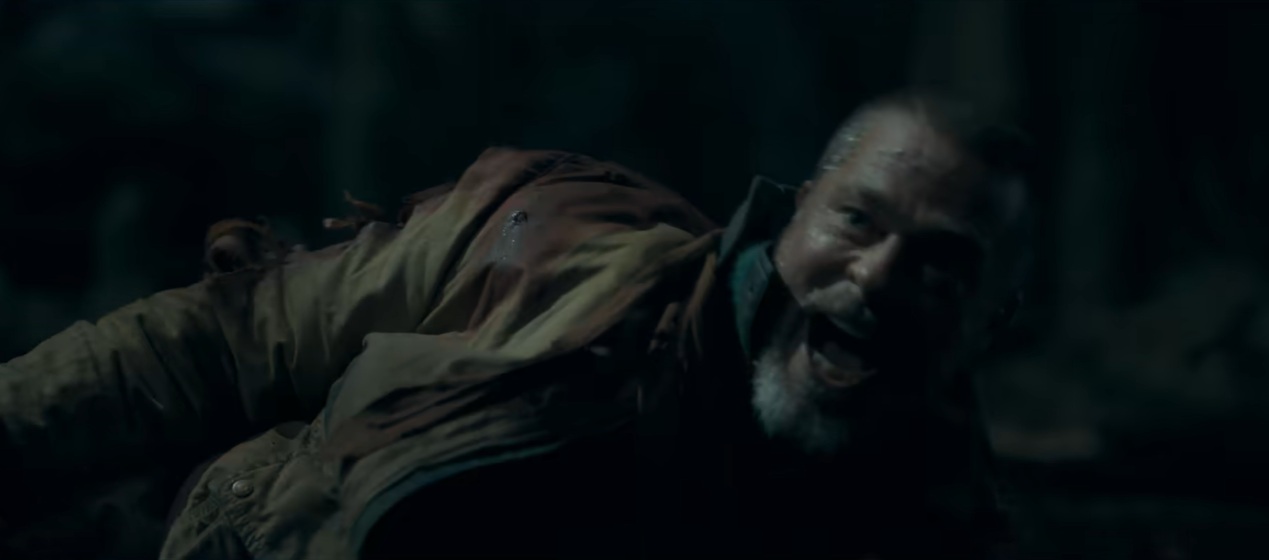
So James does the only thing he can: he starts walking.
The Opening Scene Is a Trap (In the Best Way)
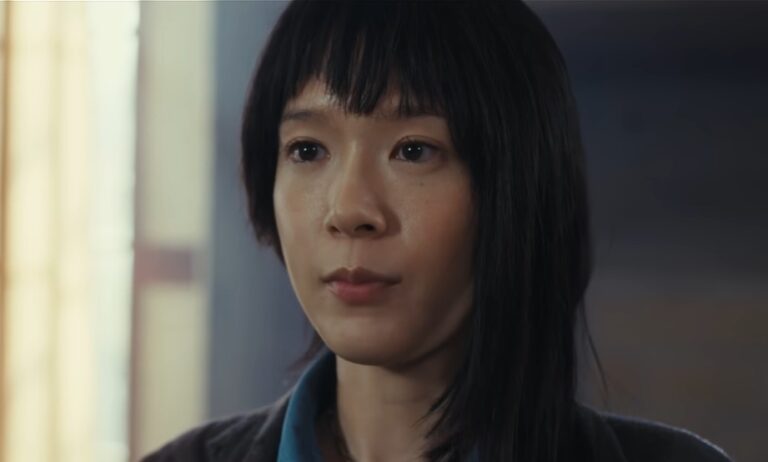
Here’s the genius move Ayer and screenwriter Cameron Alexander pull, and it’s honestly one of my favorite structural choices in a survival movie in years. The film opens before any of the crash stuff, with Odin alone, limping out of the treeline onto a snowy road, where Anna Lambe’s character finds him.
That means from minute one, you know Odin survives.
Most people assume that would kill the tension. It does the opposite. Once you know the dog makes it out alone, your brain immediately jumps to the horrible follow-up question:
- Where’s James?
- Why isn’t he with his dog?
- What had to happen for Odin to be walking that road by himself?
That dread just sits with you for the entire runtime. It’s such a smart bit of misdirection because it weaponizes the “will the dog die” anxiety that every animal movie trades on, then redirects all of it onto the human character instead.
The Wolves Aren’t Just an Obstacle
The back half of the film introduces a wolf pack that’s been trailing James and Odin for miles, and I love that Ayer doesn’t play them as mindless movie-monster predators. They’re patient. They’re smart. They’re basically waiting for James’s body to give out, which mirrors exactly what’s happening internally with his heart. The environment is killing him slowly, and the wolves are just circling until nature finishes the job.
When the pack finally attacks, it’s brutal and claustrophobic, shot with that gritty, unglamorous violence Ayer’s known for. And the moment that seals everything: a wolf goes for Odin, and James throws himself in front of it without a second of hesitation.
He saves Odin. He also tears his body apart doing it, and the exertion triggers the second, fatal cardiac event his damaged heart couldn’t survive.
The Goodbye Scene
This is the scene everyone’s going to be talking about for months.
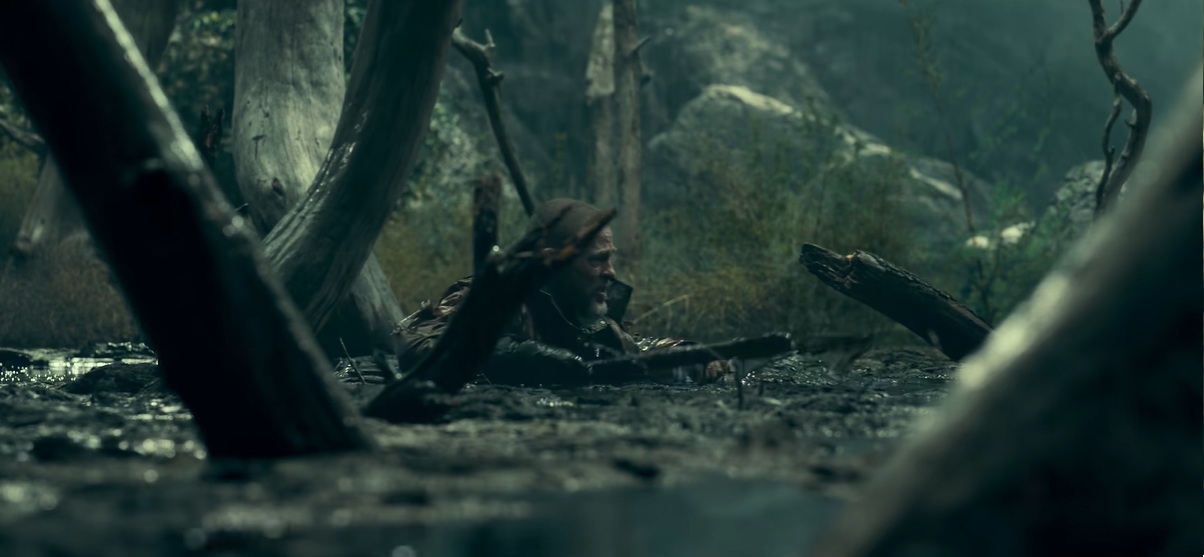
James can’t walk anymore. Carrying him would just mean they both die out there. So he sits down against a pine tree, pulls Odin in close, and says goodbye. No swelling orchestral cue overload, no dialogue-heavy speech — just a man giving his dog one final command to leave him and keep moving toward the highway.
Watching a Special Forces veteran, someone defined by discipline and control his entire life, choose to surrender his own survival so his dog can live is just devastating in a way that’s hard to shake. And then the film loops back to that opening image: Odin walking out alone, found by Anna Lambe on that same road.
Why the Ending Actually Works
A lot of “dog movies” lean on cheap shock value, killing or nearly killing the animal for a gut-punch. Heart of the Beast flips the formula entirely, and that’s what makes the ending land instead of feeling manipulative.
| What You’d Expect | What Ayer Actually Does |
|---|---|
| Kill the dog for shock value | Confirms the dog’s survival immediately, upfront |
| Save the human as the “reward” | Lets the human die, and makes it feel earned |
| Big dialogue-driven farewell | Near-silent, physical, understated goodbye |
| Predators as pure horror-movie threat | Wolves mirror the internal ticking clock of James’s heart |
The film isn’t really asking “does the dog die,” it’s asking what a person is willing to sacrifice for something that loves them without condition. James spent his whole post-military life feeling disconnected from a society that used him up and moved on. Odin was the one relationship that never demanded anything performative from him. So of course the ending gives everything back to that bond — James doesn’t die randomly, he dies for something, on his own terms, finishing what is basically his last mission.
There’s also a quieter layer here about veterans and trauma that I think deserves more discussion than it’s getting online. James and Odin are both combat veterans carrying invisible damage, and their trek through that wilderness plays almost like a physical stand-in for the daily grind of surviving with PTSD — hostile environment, no clear rescue, just putting one foot in front of the other because stopping means giving up. James doesn’t make it out physically, but Odin does, and that’s framed less as tragedy-for-tragedy’s-sake and more as a kind of continuation. The next generation makes it home, even if the one who protected them doesn’t.
Heart of the Beast 2026 Ending Explained: Every Major Twist and Spoiler Revealed
A Few Things Worth Noting
- Brad Pitt barely talks in the third act, and it’s some of the most physically committed work he’s done in years — stripped down, no movie-star polish, just a body breaking down in real time.
- The lack of a musical crescendo during the goodbye scene is a deliberate choice. Silence does more damage than a swelling score ever could.
- Odin (played by a dog named Uber) genuinely deserves some kind of award consideration, which sounds ridiculous until you’ve seen the performance.
People online have been calling this one of the best endings of the year, and honestly, after sitting with it for a few days, I get it. It doesn’t cheat you with a last-second rescue, and it doesn’t wallow in misery either. It just commits fully to the emotional logic it set up from frame one, and trusts the audience to feel the loss without spelling it out.
Bring tissues. I’m serious.