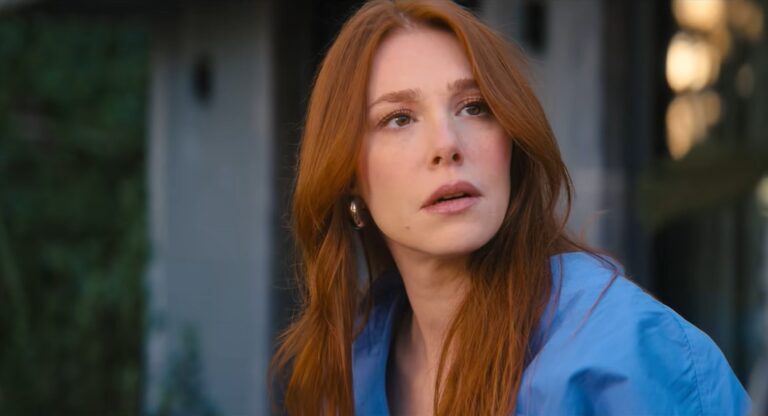
The Influencer Project (2026) Parents Guide: Age Rating and Content Warning Explained
Every few years, found-footage horror finds a fresh way to crawl under our skin. The nineties gave us shaky camcorders and a stick figure in the woods. The 2010s gave us horror on a laptop screen. Now we have The Influencer Project (2026), and this one goes straight for the app you probably have open right now.
Mike Nybroe directs, and he co-wrote the script with Anders Jon and Lars Andreas Pedersen. The producers include Eduardo Sanchez and Gregg Hale, the guys behind The Blair Witch Project, plus Alex Hertzberg and Ahmet Zappa, so the found-footage pedigree is real. Real-life creator Chiara King plays an influencer who flies to Copenhagen to shoot an unfiltered documentary about her own fame. Then a stalker starts following her. Her livestreams, her photos and her DMs all become breadcrumbs, and the line between ‘content’ and ‘evidence’ disappears.
If your teen is asking to watch it, here’s what you need to know first.
Who Is the Killer in The Influencer Project? Horror Movie Ending and Stalker Identity Explained
The Rating at a Glance
| Region | Rating | Why |
|---|---|---|
| USA (MPA) | R | Strong bloody violence, suicide, pervasive language |
| UK (BBFC) | 18 | Realistic stalking, severe psychological impact |
| Denmark | Adults only | Harrowing themes (filmed on location there) |
| Russia | 18+ | Theatrical release restricted |
When four different countries all land on ‘keep the kids out,’ that’s worth noticing. In the US, an R rating means anyone under 17 needs a parent or guardian to get into the theater.

Violence and Gore: Ugly Because It Feels Real
This isn’t a slasher with stylish kills and dramatic lighting. Because everything is filmed through documentary cameras, phone footage and stalker feeds, the violence feels sudden and clumsy, like something you’d see in a leaked clip and immediately wish you hadn’t.
What to expect:
- A stalking plot that escalates into a home invasion
- Blood splatter hitting the camera lens directly
- Characters trapped and attacked
- Shaky, handheld footage that makes the chaos hard to look away from and harder to forget
Found-footage violence hits younger viewers differently than polished Hollywood horror. Nothing tells your brain ‘this is a movie’ when the picture looks like real emergency footage. For sensitive kids, that’s the real problem.
The Psychological Horror: The Part That Will Stick With Teens
This is where the film really works, and where it’s most dangerous for a teen audience. The stalker doesn’t need supernatural powers. He just needs what most of us post every day:
- Photo metadata to track down locations
- Livestreams to pin her exact spot in Copenhagen
- Direct messages to mess with her head and manipulate her emotions
Now picture a fifteen-year-old who lives on TikTok, Instagram and YouTube watching that. It’s not a monster in the closet. It’s their feed, turned against them. The film spends real time on the main character’s slow mental collapse as she realizes her digital footprint has been hijacked by a predator. For teens already dealing with cyberbullying, privacy worries or social pressure online, it can hit uncomfortably close to home.
Suicide and Self-Harm: The Big Warning Flag
If you only read one section, make it this one.
The film deals directly with the mental health cost of extreme harassment and parasocial obsession. Characters get pushed to their psychological limits, and the story includes self-harm and suicidal ideation. The film treats these moments as heavy and unglamorous, which is the right approach, but it also means they land hard.
If your teen has struggled with depression, self-harm or anxiety, this is a firm skip. Even for teens without that history, a horror movie is a rough place to encounter these themes for the first time. Younger teens especially should stay far away.

Language and Adult Themes
Expect constant profanity, including the heavy stuff, plus nasty internet slang. It’s realistic for people panicking, and it gets loudest during the third-act meltdown. The film also digs into the ugly side of fandom:
- Sexual harassment in comment sections
- Misogynistic online targeting
- Turning personal trauma into engagement numbers
None of it is graphic in a sexual sense, but it’s a bleak, cynical picture of how the internet treats women who are visible online.
So, Can Teens Watch It?
Ages 13 to 15: No
The mix of realistic cyberstalking tactics, claustrophobic framing and a visible mental breakdown is a recipe for anxiety and bad sleep. The film also blurs real footage and fiction on purpose, which can be confusing for kids who are still figuring out where the line between screens and real life sits.
Ages 16 to 17: Maybe, with a Parent Involved
An older teen who loves The Blair Witch Project or modern social-media thrillers might get something out of it, both as a piece of filmmaking and as a nasty warning about parasocial relationships and oversharing. But I’d treat it as a shared experience, not a solo watch. Talk beforehand about what they’re about to see, and afterward, turn it into a real conversation about:
- Turning off location tagging
- Who can see their live posts
- What personal details they’re giving away without noticing
- What to do if someone online makes them uncomfortable
Final Verdict
The Influencer Project is a sharp, effective piece of horror that makes the internet feel like an unlocked front door. It works because the fear is plausible, and that’s exactly why it’s rough for younger viewers. Between the bloody violence, the suicide-related themes and the nonstop profanity, this one belongs to viewers 17 and older. Keep an eye on what’s in your kids’ watchlists, and if your older teen really wants to see it, sit down and watch it with them.