Is Digger (2026) Movie Similar to Dr. Strangelove? Satire and Catastrophe Compared
The second that first Digger trailer dropped, my group chat lost its mind. Not the normal ‘ooh Tom Cruise’ chaos, but a very specific kind of chaos: everyone typing some version of ‘wait, is this basically Dr. Strangelove?’ at the exact same time. And look, I went in skeptical. Every studio loves slapping a classic comparison on their trailer to make it feel prestigious. But after actually digging (pun fully intended) into what Inarritu is doing here, I’m convinced this isn’t lazy marketing shorthand. It’s the real deal.
So let’s break down why this 2026 disaster-satire and Kubrick’s 1964 masterpiece are basically cinematic siblings separated by six decades and a lot of climate anxiety.
Digger Movie 2026 Predictions and Theories: In-Depth Plot Breakdown, Cast, and Reddit Speculation
The Setup Is Almost Eerily Familiar
Here’s the plot, for anyone who’s been living under a rock: Tom Cruise plays Digger Rockwell, an oil billionaire whose drilling operation in Greenland literally cracks the planet open, unleashing an ecological catastrophe. And instead of, you know, prison, the President puts him in charge of fixing the mess he caused. Chaos ensues as Rockwell tries to spin himself from villain to hero while his government handler Ganesh (Riz Ahmed) watches the whole thing unravel in real time.
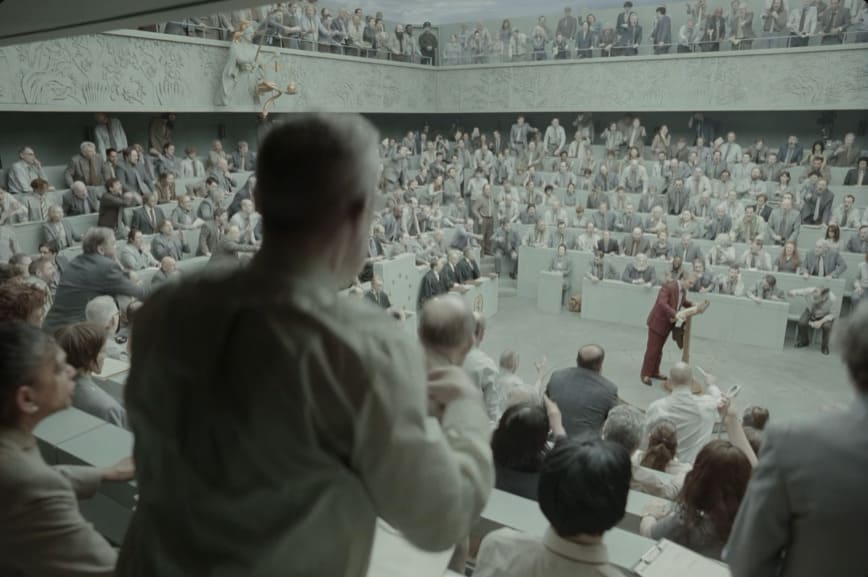
Sound familiar? It should. Strip away the specifics and you get the exact same bones as Dr. Strangelove: a self-inflicted, world-ending disaster, and a room full of powerful, deeply flawed men more concerned with saving face than saving humanity. Kubrick built his satire around Cold War nuclear paranoia. Inarritu just swapped the button-pushing general for a tech-and-oil tycoon who thinks a good press conference can undo an environmental apocalypse. It’s the same joke, updated for an era where the scariest thing isn’t a madman with launch codes — it’s a billionaire with a PR team.
Cruise Playing Against Type Is the Whole Point
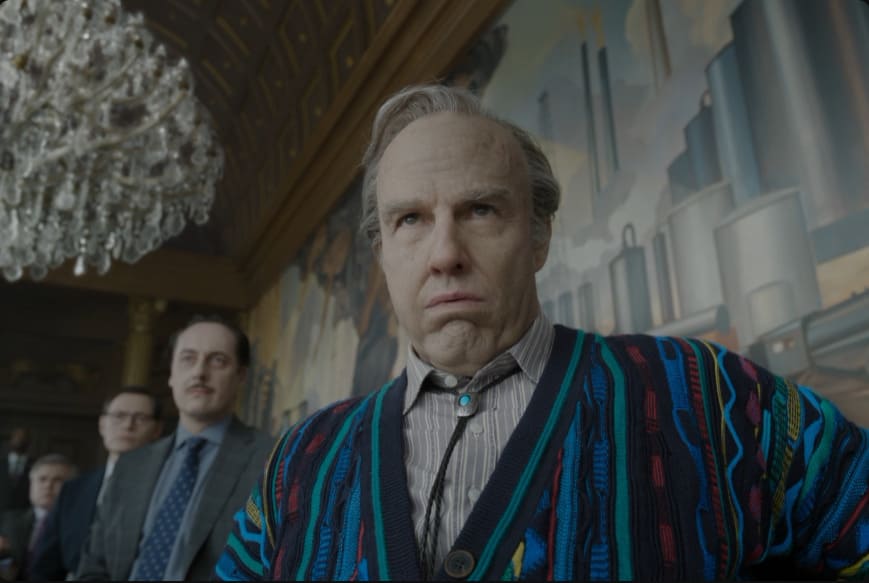
This is honestly the detail that sold me. We’re used to Cruise as the guy who saves the world — sprinting across rooftops, defusing bombs, doing his own stunts while the planet cheers him on. Digger flips that completely. He’s under prosthetics, sporting a gut and a thick Southern drawl, dancing around with a shovel like a man having a full public breakdown. Watching the trailer, I kept thinking about Peter Sellers in Dr. Strangelove — that unhinged, physical, almost cartoonish commitment to playing a man whose ego is actively dismantling civilization.
Casting Cruise as the guy destroying the world while insisting he’s the hero isn’t an accident. It’s a wink at his entire career. That’s exactly the kind of meta-casting trick Kubrick pulled decades ago, and it’s smart as hell.
Same DNA, Different Decade
Quick side-by-side, because honestly it helps to see it laid out:
| Element | Dr. Strangelove (1964) | Digger (2026) |
|---|---|---|
| The Threat | Nuclear annihilation | Ecological collapse |
| The Villain | Rogue military officer | Oil billionaire |
| The Setting | The War Room | Corporate boardrooms, crisis centers |
| Lead Performance | Peter Sellers, multiple roles | Tom Cruise, heavy prosthetics |
| Directing Style | Cold, clinical, precise | Frantic, immersive, chaotic |
That last row matters more than people give it credit for. Kubrick shot his satire like a chess match — detached, calculating, letting the absurdity speak for itself. Inarritu doesn’t do detached. If you’ve seen Birdman, you know this man loves a long unbroken take that drags you into the chaos instead of letting you watch it from a safe distance. Everything I’ve seen from Digger suggests the same approach: sweaty, breathless, maximalist. It’s less ‘cold observation of stupidity’ and more ‘trapped in the room while the stupidity happens to you.’
The Threat Itself Says Everything About How Much Has Changed
Here’s what really gets me, though. Dr. Strangelove was a product of very real, very immediate Cold War dread — the idea that one button, one bad decision, could end everything instantly. Digger trades that in for something slower and, honestly, scarier in a different way: the climate crisis we’re all just… living inside of right now. Rockwell doesn’t push a button. He drills. He extracts. He keeps digging until the planet physically cracks under the weight of pure greed.
That’s not a Cold War fear. That’s a 2026 fear. Reddit threads have already started calling this the shift from ‘military paranoia’ to ‘billionaire paranoia,’ and I think that’s exactly right. The scary guy isn’t hiding in a bunker anymore. He’s doing a TED talk about resilience while the world burns behind him.
The Cast Is Stacked Enough to Carry the Satire
We’re also getting Sandra Huller, John Goodman, Jesse Plemons, Sophie Wilde, and Emma D’Arcy rounding things out, which honestly tracks with how Dr. Strangelove used its ensemble — a rotating cast of distinct, ridiculous archetypes all orbiting the same disaster. More voices, more competing egos, more room for things to go sideways in the boardroom instead of the War Room.
So, Is It Actually Similar?
Yes — but not in a ‘remake’ way, more in a ‘spiritual successor’ way. Digger isn’t trying to copy Dr. Strangelove beat for beat. It’s taking Kubrick’s central, brutal thesis — that the people in charge are catastrophically unqualified for the power they hold — and dragging it into the present. Nukes become oil rigs. Generals become CEOs. The Doomsday Machine becomes a quarterly earnings call.
Will it reach the legendary, taught-in-film-school status of Kubrick’s original? Honestly, no idea, and it’s a little unfair to expect it to. But the thematic bones are absolutely there, and if Inarritu pulls it off, Digger could end up being the disaster-satire that finally captures how unhinged this decade actually feels.
I’m counting down the days until this hits theaters.