Is Primetime A24 Historically Accurate to To Catch a Predator? True Story Explained
There is something deeply uncomfortable about Primetime, and honestly, that is probably what makes the movie work. A24’s 2026 psychological crime thriller does not simply bring back the world of To Catch a Predator and the internet-era legend of Chris Hansen. It drags the whole thing out from behind the meme, the famous catchphrases and the endless YouTube clips, then asks a much nastier question: what happens when catching criminals becomes television entertainment?
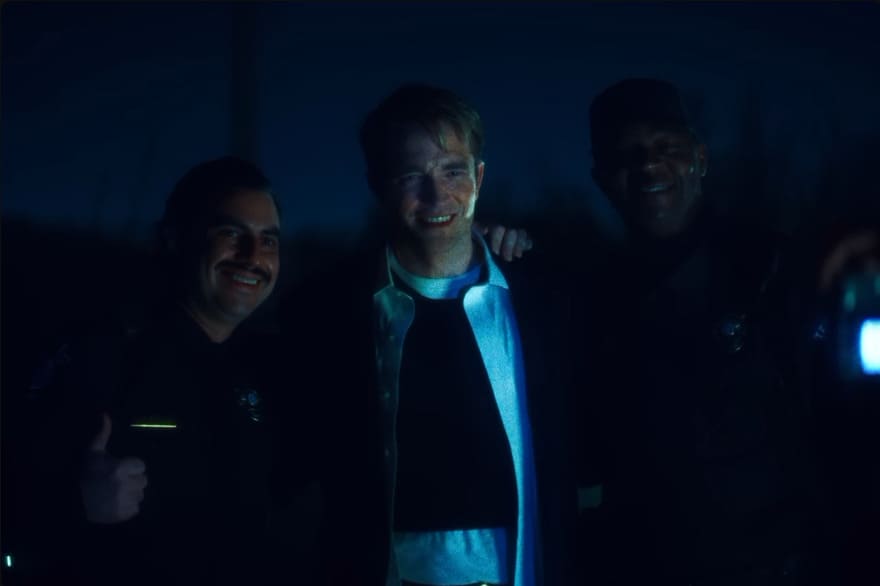
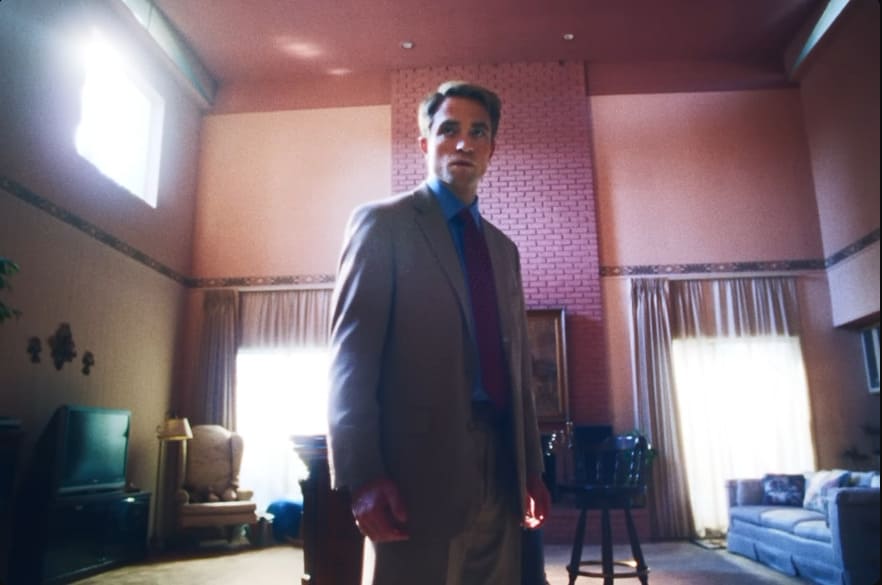
Robert Pattinson plays a television host who is clearly modeled on Hansen, but this isn’t some clean-cut biopic where the real-life journalist gets a heroic Hollywood makeover. The character is ambitious, calculating and increasingly uncomfortable to watch. That choice immediately tells you what kind of movie Primetime wants to be. It is less interested in recreating every episode of To Catch a Predator and far more interested in the machinery behind it.
As someone who has watched plenty of true-crime movies that slap a “based on a true story” label onto something barely recognizable, I went into this one expecting the usual Hollywood liberties. And yes, Primetime absolutely takes liberties. But the strange thing is that some of its biggest historical beats are rooted in very real events, especially the disastrous 2006 Texas sting that changed the story of To Catch a Predator forever.
Primetime 2026 Ending Explained The Shocking Truth Behind Chris Hansen’s Downfall
Primetime Is Inspired by a Real Story, Not a Chris Hansen Biography
The first thing viewers need to understand is that Primetime isn’t presenting itself as an authorized Chris Hansen biography. That’s a huge distinction. The movie draws heavily from journalist Luke Dittrich’s 2007 Esquire investigation, Tonight on Dateline This Man Will Die, and uses that material to examine the television operation surrounding the stings.
That approach makes the movie much more interesting than a straightforward Hansen biopic would have been. Instead of spending two hours telling us how one television personality became famous for confronting predators, the film looks at the network executives, producers, law enforcement officers and journalists who helped create an increasingly enormous television spectacle.
The real To Catch a Predator began appearing on Dateline NBC in the mid-2000s, and it became a genuine television sensation. The premise was simple enough for viewers to understand immediately: online decoys would communicate with adults seeking sexual encounters with minors, suspects would arrive at houses supposedly occupied by underage people, and hidden cameras would capture what happened next.
What made the format so addictive was also what made it ethically complicated. These weren’t ordinary documentary interviews. There was a deliberate setup, dramatic editing, confrontation and the promise of explosive television footage. The more successful the format became, the greater the pressure to produce something even bigger. That’s the part of the story where Primetime gets genuinely uncomfortable.
The 2006 Texas Sting Is Where the Movie Gets Seriously Dark
If there is one part of the movie that true-crime fans should pay particularly close attention to, it is the 2006 operation in Rockwall County, Texas. This is where the real history behind Primetime stops feeling like a television scandal and becomes a tragedy.
During the operation, investigators identified Kaufman County assistant district attorney Louis William “Bill” Conradt as one of the targets. Unlike many of the other men caught by the sting, Conradt never arrived at the house being used as the operation’s location.
That should have been the end of his involvement in the physical sting. Instead, authorities pursued him at his home. A SWAT team went to the residence to execute an arrest warrant, while the television production was closely involved in documenting the operation. Conradt died by suicide during the confrontation.
This is the moment where the entire concept of To Catch a Predator changes. Watching a man walk into a sting house and get confronted on camera is one thing. Watching an armed tactical operation unfold at someone’s private home is something else entirely.
Primetime understands that difference. The movie spends considerable time making the audience feel the pressure surrounding the production. Cameras are waiting. Executives want material. Everyone knows the television show needs something dramatic. And suddenly the distinction between a criminal investigation and a television production becomes disturbingly difficult to see.
That isn’t simply Hollywood inventing a dark atmosphere for the sake of the screenplay. The Texas operation really did become the defining controversy surrounding the series, and the aftermath included major legal and ethical questions about the relationship between NBC, civilian sting operators and law enforcement.
But Robert Pattinson’s Character Is Not Chris Hansen
This is where people expecting a literal recreation of history are going to have problems.
Robert Pattinson’s performance is deliberately heightened. He captures the recognizable calm television-host delivery, the controlled body language and the unsettling confidence associated with the public image of Chris Hansen. But the character’s inner life belongs to the movie.
The fictional host is portrayed as someone increasingly consumed by ratings, access and the need to keep the show escalating. He isn’t just reporting what happens. He becomes part of the machine that demands bigger confrontations and more sensational footage.
And that distinction matters because Hansen himself has publicly criticized the portrayal. According to comments he has made in interviews and on podcasts, he was not contacted by A24 during the making of the film. Hansen has described the movie’s version of the host as essentially a Hollywood-created interpretation rather than an accurate representation of his own actions and personality.
I actually think that makes the movie more fascinating, not less. Primetime isn’t really asking us to believe that Pattinson’s character is literally Chris Hansen behind closed doors. It’s using a recognizable television figure as the center of a larger story about ambition, ratings and ethical compromise.
What About the Network Executives?
The same issue applies to the executives and producers shown throughout the movie. Figures such as former NBCUniversal chief Jeff Zucker appear within the story, but viewers shouldn’t assume every conversation shown on screen happened exactly as depicted.
That’s standard dramatic reconstruction, but it becomes particularly important in a movie dealing with real people. A screenplay needs arguments, reactions, private meetings and moments of decision. Historical reporting rarely gives filmmakers a complete transcript of every conversation happening inside a production office.
So the broad circumstances can be historically grounded while individual scenes remain fictionalized. That’s probably the safest way to approach Primetime. Treat it as a dramatic interpretation of a documented media scandal, not as a documentary with Robert Pattinson standing in for Chris Hansen.
The Legal Fallout Makes the Story Even More Complicated
One of the strongest aspects of the story is the legal mess that followed the Texas operation. The television show’s involvement wasn’t some minor detail sitting in the background. It became part of the argument over whether the sting operations were being conducted in a way that could support successful prosecutions.
Charges against many of the suspects involved in the Texas operation were eventually dropped, with prosecutors raising concerns about problems surrounding the operation and the evidence. That part of the history is crucial because it destroys the simplistic idea that every televised confrontation automatically represented a clean criminal-justice victory.
And that’s exactly where the movie hits hardest. We are so used to seeing the old Hansen clips as comedy now. Someone walks through a door. Hansen calmly tells him to sit down. The internet turns the moment into a meme. Repeat forever.
Primetime basically grabs that nostalgia by the throat and says: you remember the television moment, but do you remember what was happening around it?
So, Is Primetime Historically Accurate?
I’d separate the answer into two different categories because saying simply “yes” or “no” doesn’t really tell you much.
| Part of the Story | Historical Accuracy |
|---|---|
| Mid-2000s To Catch a Predator phenomenon | Strongly rooted in real events |
| 2006 Texas sting | Based on documented history |
| Bill Conradt case | Based on the real tragedy |
| Television ratings pressure | Historical context, dramatized for the film |
| Pattinson’s character psychology | Fictionalized interpretation |
| Private conversations between executives | Dramatized |
| Chris Hansen’s personal portrayal | Not an exact biography |
That’s why I wouldn’t watch Primetime expecting a scene-by-scene recreation of To Catch a Predator. You’ll probably come away annoyed if you do. The movie is playing a different game.
Its historical backbone is strongest when dealing with the television phenomenon itself and the Texas operation that eventually became a devastating turning point. The closer the film gets to private motivations, conversations and the personal psychology of its fictionalized host, the more obvious the Hollywood fingerprints become.
The Movie’s Biggest Strength Is Also Its Most Uncomfortable Idea
What stayed with me wasn’t Pattinson’s imitation of Hansen, although that performance is certainly going to generate plenty of discussion. It was the idea that To Catch a Predator existed in an awkward space between journalism, policing and entertainment.
That distinction feels even stranger now. The old clips have become internet comedy. Hansen’s lines have become memes. The confrontations are endlessly reposted, clipped and remixed. Primetime forces the audience to look at the machinery that produced those moments instead of simply laughing at the people on the other side of the camera.
For me, that’s why the movie works better as a media-ethics thriller than as a traditional true-crime biopic. It doesn’t need every detail to be literal to make the underlying history uncomfortable. In fact, the fictionalized elements give the filmmakers room to explore questions that a conventional biography might avoid.
If you’re searching for an accurate Chris Hansen story, this probably isn’t the movie to treat as your final source. If you’re interested in the real history of To Catch a Predator, the 2006 Texas sting, the Bill Conradt tragedy and the ethical problems created when television ratings collide with criminal investigations, however, Primetime gives you plenty to think about.
And maybe that’s the real reason this movie has people arguing. It takes something many of us remember as bizarre early-internet entertainment and reminds us that there were real people, real legal consequences and some genuinely ugly decisions behind those famous television confrontations. That’s a much darker story than the meme version ever suggested.