The Debt Collector 2026 Ending Explained: Is Num Dead And Did He Find Redemption?
Netflix has released plenty of crime thrillers over the years, but The Debt Collector (2026) genuinely surprised me. I expected another stylish action movie with tough guys throwing punches for two hours. Instead, I got a slow-burning tragedy about guilt, redemption, and a man who knows he’s already dead before the story even begins.
The ending has sparked a lot of debate, especially because the final moments are quiet rather than explosive. Some viewers wondered whether Num actually survives, whether Po gets what he deserves, and whether any of the sacrifices truly mattered.
After watching it, I don’t think the ending is nearly as ambiguous as some people claim—but it is emotionally brutal.
Num Isn’t Fighting to Survive
Most action heroes spend an entire movie trying to stay alive.
Num is different.
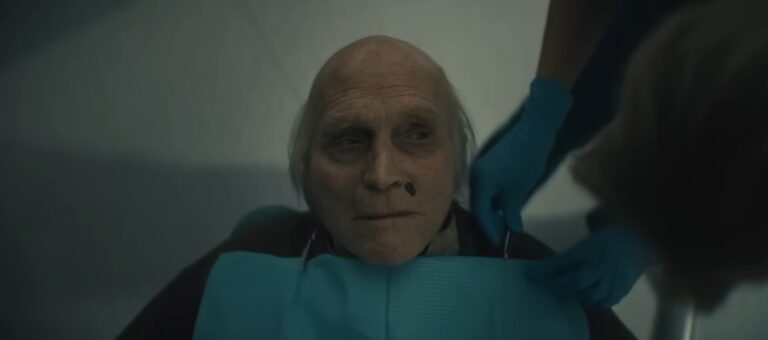
From the moment he walks out of prison, he already knows his fate. The doctors have given him almost no time left because of an inoperable brain tumor. He even refuses aggressive treatment because he doesn’t want to spend his final months trapped inside a hospital.
That decision completely changes how every later scene feels.
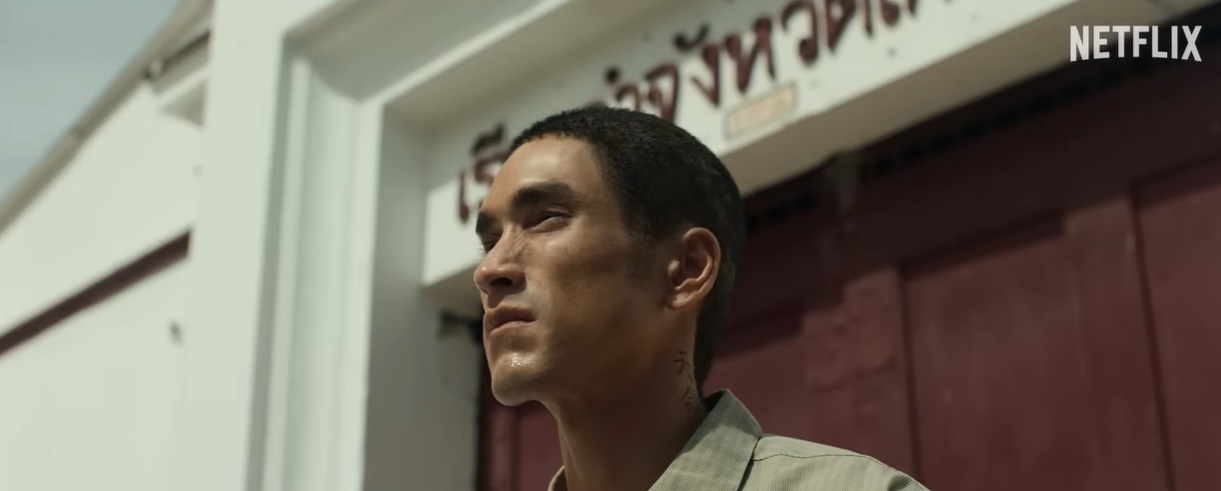
He’s not chasing revenge.
He’s not trying to become a hero.
He’s trying to make sure the last chapter of his life isn’t defined by the worst thing he ever did.
Years earlier, Num crossed a line that haunted him every single day of his prison sentence. During one violent debt collection, an innocent child lost her life because of his actions. Prison punished his crime, but it never erased his guilt.
That’s the real burden he carries through the movie.
The Monastery Was Never Enough
One detail I really appreciated is how the monastery is used throughout the story.
At first, it looks like Num has finally escaped violence.
He works quietly, delivers supplies, avoids trouble, and seems determined to disappear.
But peace built on avoidance isn’t real peace.
The film makes that painfully obvious once Po begins terrorizing vulnerable families using the exact same methods Num once used himself.
Watching another little girl become trapped in the same cycle forces Num to make a decision.
- Stay hidden until the tumor kills him.
- Step back into hell one last time.
He chooses the second option.
That moment is where the movie truly begins.
Why Po Is More Than Just the Villain
Po could have been another forgettable crime boss with endless henchmen.
Instead, he’s almost a younger reflection of Num.
The biggest difference?
Po has absolutely no remorse.
He enjoys power.
He enjoys fear.
He believes collecting debts through violence is simply business.
Num spent ten years wishing he could erase his past.
Po is still proudly creating his.
That’s why their final fight feels far more personal than a standard hero-versus-villain showdown.
It’s almost like Num is confronting the version of himself that never changed.
The Final Battle Feels Painfully Real
One thing that impressed me throughout the climax is how exhausted everyone becomes.
Nobody looks invincible.
Nobody walks away without consequences.
Every punch feels heavy.
Every injury matters.
Modern action movies sometimes forget that a body has limits.
The Debt Collector never does.
Num isn’t only fighting armed criminals.

He’s fighting:
- Massive blood loss
- A terminal brain tumor
- Constant dizziness
- Failing vision
- Physical exhaustion
There are several moments where it genuinely feels like his own body is becoming a bigger enemy than Po.
That makes every victory feel earned instead of scripted.
Is Num Dead?
Yes.
I honestly don’t think the movie leaves much room for another interpretation.
The sunset sequence isn’t teasing survival.
It’s showing acceptance.
By the time Num quietly reaches the monastery, his body has reached its absolute limit.
The injuries from the final battle certainly accelerate everything, but they aren’t the true cause of death.
The brain tumor has been counting down his remaining days since the opening act.
The final scene simply lets that clock expire.
Instead of dying anonymously in a hospital bed, Num dies knowing he saved people who would otherwise have suffered the same fate as his earlier victims.
It’s heartbreaking.
It’s also exactly the ending this story needed.
A miraculous survival would have completely undermined everything the film had been building toward.
Did Num Actually Redeem Himself?
This is where opinions will probably split.
Personally?
I don’t think redemption means erasing your past.
The movie doesn’t pretend that saving several families magically cancels out the lives Num destroyed years ago.
That would be dishonest.
Instead, redemption is shown as accepting responsibility and choosing to do better even when there’s nothing left to gain.
Num knows he won’t live long enough to enjoy a fresh start.
He helps people anyway.
That makes his final decisions feel genuine rather than selfish.
What Happens to Po?
Po technically survives the confrontation.
That doesn’t mean he wins.
By destroying the loan records and collapsing the operation, Num takes away the only thing Po truly values—his position inside Madam Pin’s criminal empire.
Without money…
Without leverage…
Without results…
Po becomes disposable.
Whether Madam Pin eliminates him herself or the authorities eventually catch him almost doesn’t matter.
His future looks finished either way.
Sometimes losing everything is a harsher punishment than dying.
Madam Pin Doesn’t Lose the War
One aspect I genuinely respect is that the movie avoids an unrealistic happy ending.
Crime syndicates don’t disappear because one man beats up enough gangsters.
Madam Pin suffers a major financial blow.
Her organization loses valuable records.
Several victims escape.
Police attention increases.
But the larger system survives.
That choice makes the story feel grounded.
The film isn’t pretending corruption disappears overnight.
It’s saying that saving even a handful of lives still matters.
That’s a far more believable message.
Ending Breakdown at a Glance
| Character | Final Outcome | What It Represents |
|---|---|---|
| Num | Dies after defeating Po | Personal redemption through sacrifice |
| Po | Defeated and loses his status | Violence eventually consumes itself |
| Madam Pin | Operation damaged but survives | Systemic corruption continues |
| Debt Victims | Many are finally freed | Hope exists even inside broken systems |
The Symbolism Behind the Ending
The more I thought about the ending, the more I appreciated its visual storytelling.
The monastery isn’t simply a religious location.
It’s peace.
The city represents endless greed.
Throughout most of the movie, Num travels between those two worlds.
By the final scene, he returns to the monastery—not because he’s hiding anymore, but because he’s finally earned the peace he was searching for.
Even the recurring flashbacks change meaning.
Early in the film, they remind us that Num was once the predator.
By the ending, every memory feels different because we now understand how desperately he wanted to prevent history from repeating itself.
That’s subtle writing, and I wish more action movies trusted their audience enough to do the same.
Is The Debt Collector Starring Scott Adkins On Netflix US? (2026 Streaming Guide)
My Take on the Ending
I walked into The Debt Collector expecting stylish action.
I left thinking about guilt.
That’s not something I can say about many modern thrillers.
The fight choreography is excellent, but the emotional weight is what stayed with me long after the credits rolled.
Nadech Kugimiya delivers what is easily one of the strongest performances I’ve seen from him. He strips away every trace of movie-star glamour and plays Num as a man who looks permanently exhausted, emotionally hollow, and painfully aware that every step could be his last. That authenticity carries the entire film.
Could the pacing have been tighter during the middle act? Absolutely.
Did I care once the finale arrived? Not at all.
The last twenty minutes justify everything that comes before them.
For me, The Debt Collector (2026) isn’t really about defeating criminals. It’s about confronting the version of yourself you wish had never existed. Num can’t rewrite history, can’t cure his illness, and can’t bring innocent people back. What he can do is decide who he becomes before the end finally arrives.
That’s exactly why the closing scene hits so hard. It isn’t asking whether one good deed erases a lifetime of violence. It’s asking whether a broken person can still choose to protect others when there’s nothing left to gain—and in Num’s case, that answer is the most powerful moment in the entire film.