Where to Watch Monster: The Lizzie Borden Story Online Free – How to Stream Ryan Murphy Series
I went into Monster: The Lizzie Borden Story expecting another glossy, slightly exploitative true-crime cash grab — the kind Ryan Murphy churns out like clockwork — and I came out the other side genuinely rattled. Not “ooh spooky axe murder” rattled. More like “I need to sit in silence for ten minutes and think about Victorian womanhood” rattled. Which, honestly, was not on my Saturday bingo card.
Let’s get the practical stuff out of the way first, because I know half of you scrolled here just for this: no, you cannot watch this show for free, legally, anywhere. I’m sorry. It’s a Netflix Original, it lives on Netflix’s servers, and Netflix hasn’t done a free trial in the US in years — they killed that off ages ago to stop people from bingeing and bailing. If you see a site promising a “free full episode stream” of a show that dropped less than two weeks ago, that is not a kind stranger doing you a favor. That’s a malware farm with a play button on it.
I say this as someone who has absolutely fallen for a sketchy streaming site before. It’s never worth it. The video buffers every ninety seconds, the audio drifts out of sync until Charlie Hunnam sounds like he’s talking underwater, and you’re one pop-up away from your browser trying to install something called “HD_Video_Codec_2026.exe.” Just don’t.
So here’s what actually gets you legal access without draining your wallet:
- T-Mobile’s “Netflix on Us” — if you’re already on a Go5G Next, Go5G Plus, or Magenta MAX plan, you probably already have Netflix bundled in and don’t even know it. Go check your account right now.
- Verizon myPlan — you can bolt on a discounted Netflix + Max bundle rather than paying for each separately.
- The Standard with Ads tier — cheapest official option, full HD, two screens. A few ad breaks is a small price for not committing internet crimes.
- Household profile sharing — up to five profiles per account, fully sanctioned as long as everyone’s under one roof.
None of this is glamorous advice, but it’s the difference between watching Lizzie Borden’s story in crisp 1080p and watching a pixelated hostage-negotiation-quality rip while your antivirus has a panic attack in the background.
Now Let’s Actually Talk About the Show, Because THIS Is Where I Have Feelings
If you’ve seen Dahmer, the Menendez season, or the Ed Gein installment, you know Murphy’s formula by now: take a real, well-documented horror, pump it full of style, needle drops, and a lead performance built to win awards, and dare the audience to feel conflicted about how much they’re enjoying it. The Lizzie Borden Story does all of that, but it’s the first time the anthology has centered a woman, and it’s the first time it’s ventured out of the 20th century entirely — and both of those choices change the DNA of the show in a way I wasn’t expecting.
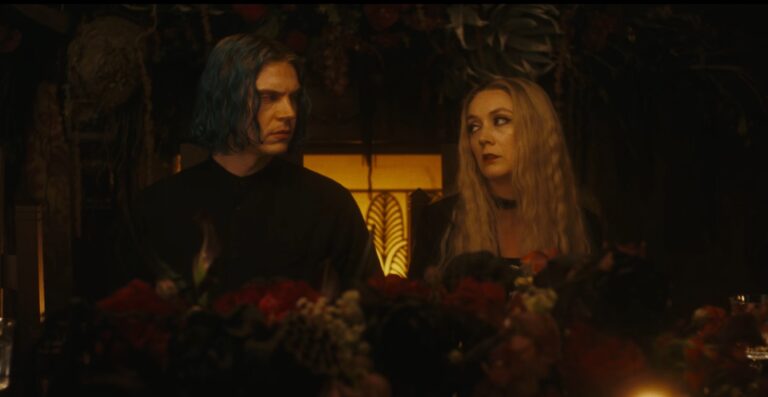
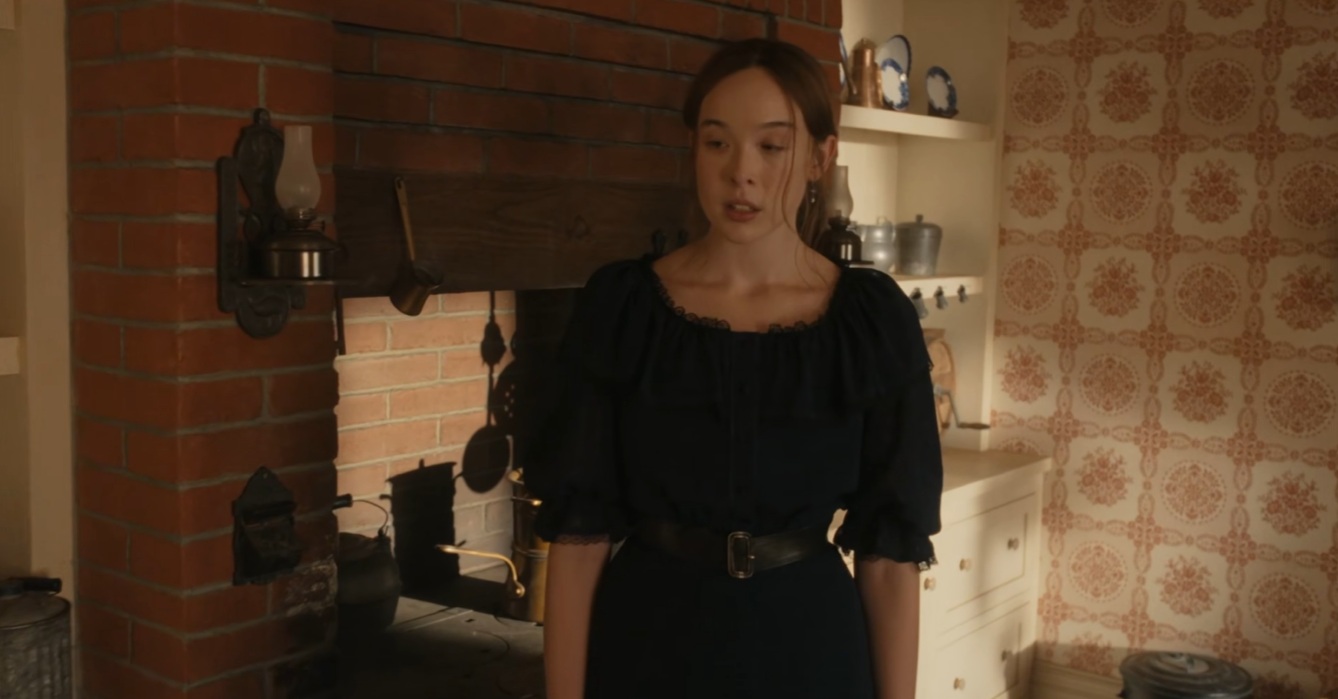
Ella Beatty as Lizzie is the reason to watch this. Full stop. She plays Lizzie as someone who’s been slowly suffocating for years before the actual violence even happens, and you can feel every ounce of that repression radiating off the screen — the tight collars, the clenched jaw, the way she goes quiet in front of her father and then absolutely does not go quiet the second she’s alone. It’s a performance that understands the real horror isn’t the axe. It’s the house.
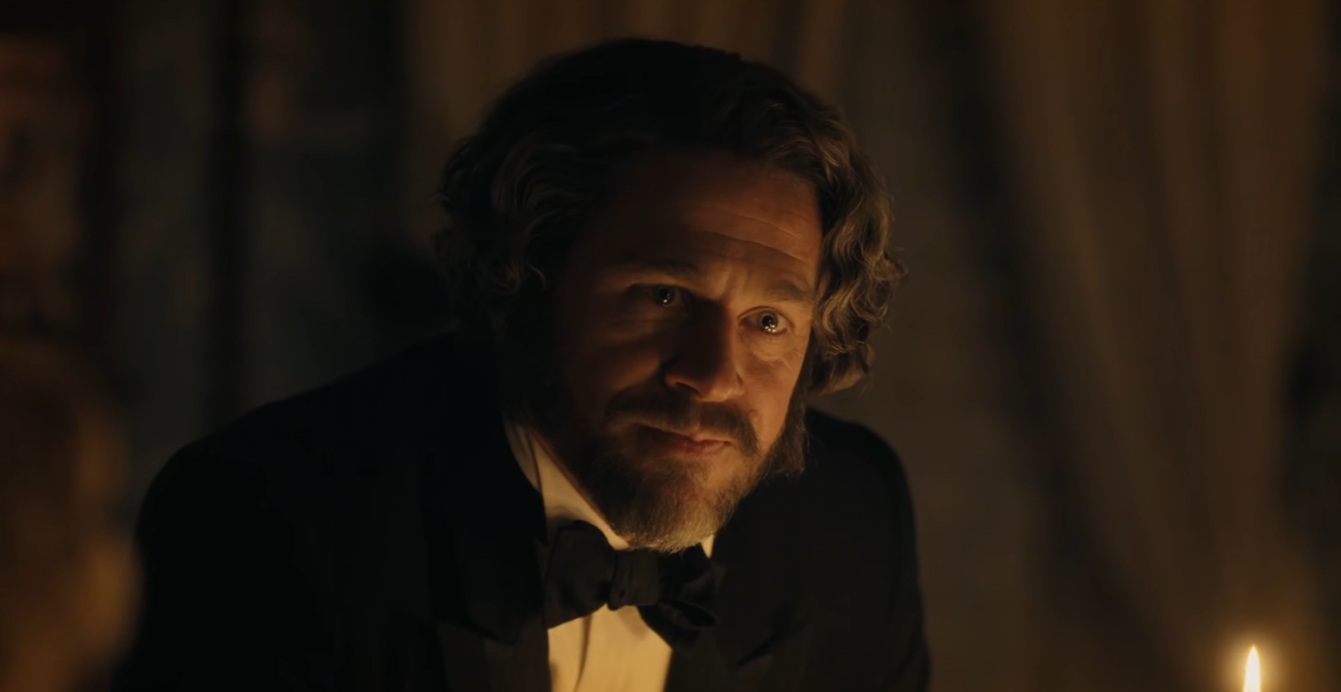
Speaking of the house — Charlie Hunnam as Andrew Borden is chilling in a completely different register than his Ed Gein work last season. He’s not menacing in a physical way. He’s menacing in a “controls every dollar and every door in the house” way, which honestly might be scarier to me personally. Rebecca Hall as stepmother Abby threads a needle I didn’t think was possible: you pity her and resent her in the same scene. And Vicky Krieps as Bridget Sullivan, the housemaid, is doing the quiet devastating work that always seems to get overlooked come awards season but absolutely shouldn’t be this time.
The relationship between Lizzie and Bridget is where the show takes its biggest historical swing. In the actual 1892–93 record, Bridget was simply the maid who testified at trial — there’s no documented romance. The show leans hard into a charged, intimate, almost co-conspirator bond between the two women, and turns it into the emotional engine of the whole season. Is it historically airtight? Not remotely. Is it doing something interesting thematically about repression, class, and female rage finding an outlet wherever it can? Honestly, yes. This isn’t the first project to go there either — the 2018 film Lizzie with Chloë Sevigny and Kristen Stewart floated a similar idea, so Murphy’s take is really the next chapter of a conversation that’s been happening around this case for a while.
And then there’s Episode 4.
I need everyone reading this to know I was NOT prepared for the show to just casually jump to 1988 and introduce Sarah Paulson as Aileen Wuornos wandering through the Borden house-turned-bed-and-breakfast, drawing some kind of dark spiritual lineage from Lizzie’s crimes. It’s a wild, almost unhinged narrative swing — and the internet has been split right down the middle on it. Some people think it’s a genuinely inspired way to show how true crime mythologizes itself across generations. Others think it’s Murphy indulging his most self-satisfied instincts and hijacking a woman’s actual murder trial to make a point about pop culture. I landed somewhere in the middle: I think it’s audacious, I think it half works, and I think it’s the episode people will still be arguing about in group chats a year from now.
Monster Season 4 Finale Recap & Breakdown: The Lizzie Borden Story Ending Explained
Here’s a quick breakdown of the season if you’re deciding whether to commit:
| Episode | What You’re In For |
|---|---|
| 1–2 | Slow-burn household dread, financial resentment, Bridget’s arrival |
| 3 | The bond with Bridget deepens; suspicious pharmacy visit |
| 4 | The controversial Wuornos detour — love it or hate it, you’ll talk about it |
| 5 | The murders themselves — genuinely hard to watch, in the way it should be |
| 6–7 | Interrogation and courtroom drama, Victorian gender bias on full display |
| 8 | The acquittal, Maplecroft, and a freedom that never quite feels like freedom |
What actually stuck with me isn’t the gore, it’s the ending. Lizzie gets acquitted — that part is historically real — but the show makes it painfully clear that a not-guilty verdict didn’t buy her a single ounce of peace. She spent the rest of her life shunned, whispered about, essentially imprisoned by a town that had already decided her guilt regardless of what any jury said. That’s the part of this story that feels less like 1892 and more like right now, honestly.
Critics have been lukewarm-to-mixed on this one, mostly nitpicking the pacing and the tonal whiplash of the Wuornos detour. I get the criticism. I don’t fully agree with it. If you’re the kind of viewer who wants your true crime clean, linear, and respectful of the historical record, this season will frustrate you. If you want a moody, gothic, occasionally infuriating meditation on what happens when women aren’t allowed to have any outlet for their own rage — put this at the top of your list this week.
One more thing before I let you go: watch it with the lights off. The production design on that Fall River house is doing so much quiet work — every shadow, every closed door — that you genuinely lose something watching it on a lit-up living room TV with your phone in your other hand.
I’d love a version of this in Word or PDF if you want something to save or send around — just say the word.