Netflix Unabomber Movie Review (2026): Does Russell Crowe and Jacob Tremblay’s True Crime Thriller Deliver?
I watched Netflix’s new Unabomber the night it dropped and I’ve been chewing on it for almost 24 hours now, and here’s the thing nobody’s really saying out loud: this movie had every ingredient to be a slam dunk, and it still managed to fumble the bag. Russell Crowe. Jacob Tremblay. A true crime case that’s genuinely one of the most fascinating in modern American history. And somehow we ended up with a 23% critics score on Rotten Tomatoes and a 29% audience score that’s basically the film equivalent of a shrug emoji.
Let me back up, because if you haven’t seen it yet, you need context before you decide whether to spend your evening on this.
Wait, What’s This Movie Even About?
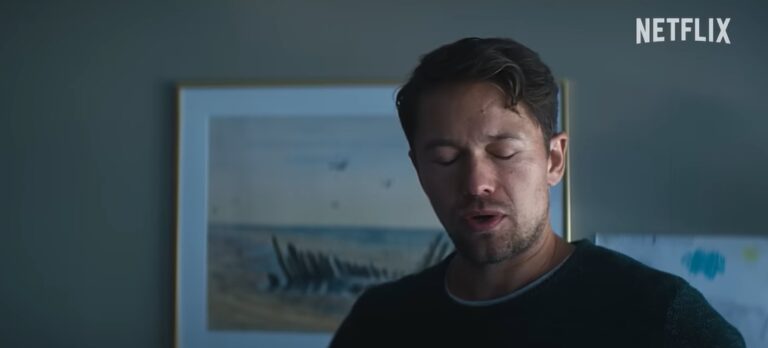
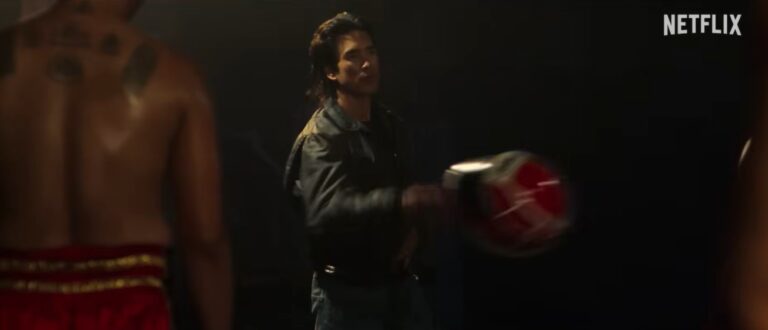
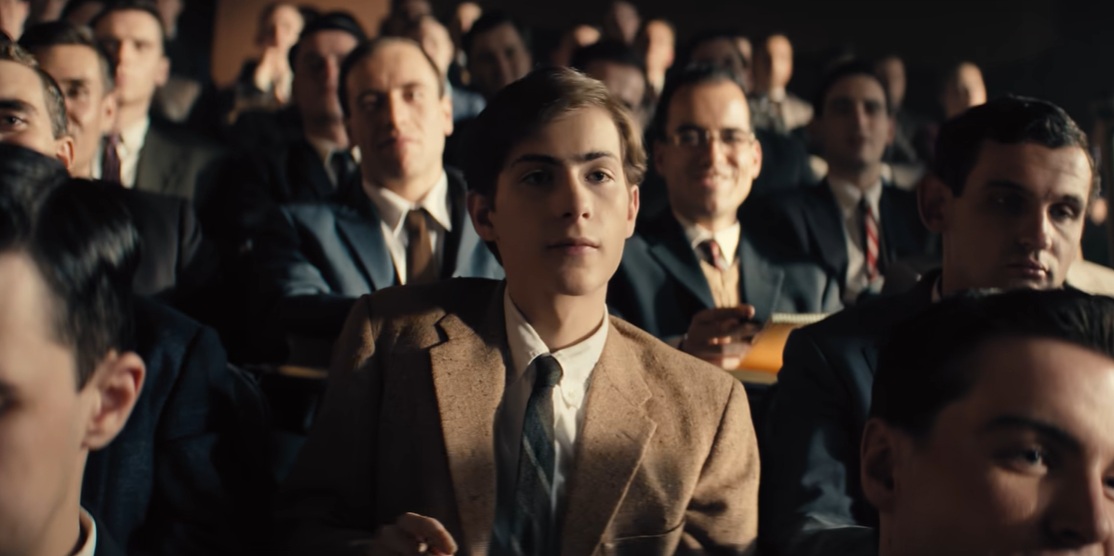
Director Janus Metz (the guy behind Borg vs. McEnroe, so he clearly knows how to make tense, moody stuff) decided to tell Ted Kaczynski’s story through two timelines running side by side. One half is Harvard in 1958, where a teenage Ted — played by Jacob Tremblay — gets pulled into these absolutely unhinged psychological experiments run by Professor Henry Murray, who Russell Crowe plays like a man who genuinely enjoys breaking people down for science. The other half jumps forward to the FBI manhunt, led by a fictional agent named Joanne Miller (Shailene Woodley), who’s chasing a bomber that, over nearly two decades, killed three people and injured 23 more.
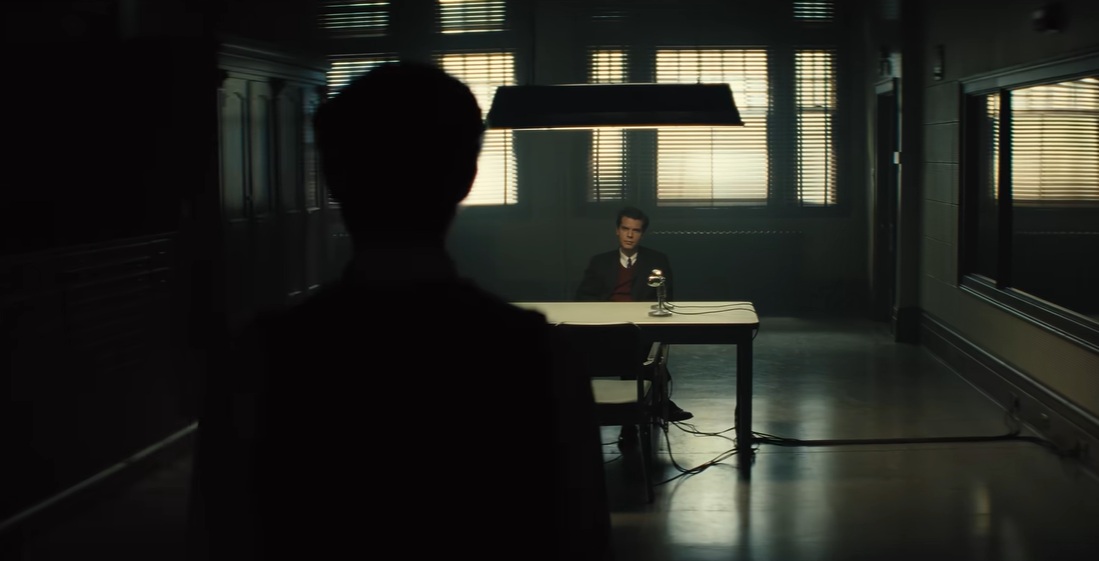
On paper? That’s a great structure. Trauma-in-the-making versus the hunt for the monster it created. Cutting between the two should hit like a gut punch every single time.
It just… doesn’t land the way it should.
The Good Stuff (Because There Genuinely Is Some)
I’m not here to pretend this movie is a total disaster, because the Harvard scenes are legitimately unsettling in the best way. Here’s what actually works:
- Jacob Tremblay plays teenage Ted as fragile, painfully lonely, and desperate to be seen as something other than a freak — not a cartoon villain from scene one. You watch this kid slowly get hollowed out and it’s uncomfortable in exactly the way it should be.
- Russell Crowe ditches every ounce of his usual charisma to play Murray as cold, clinical, and quietly monstrous. No scenery-chewing, just pure controlled menace.
- The chemistry between the two of them is the actual engine of this movie. Every scene where Crowe is manipulating Tremblay feels like watching someone get slowly dismantled from the inside.
- The look and sound of the film is genuinely prestige-level — grainy, shadowy cinematography paired with a score that keeps you tense even in quiet scenes.
If the entire movie had just stayed in 1958 and lived inside that psychological horror show, this could’ve been something special.
The Problem: It Keeps Cutting Away From the Good Part
And this is where my patience ran out, and apparently a lot of critics’ patience too. Every time the Harvard storyline builds real dread, the movie yanks you into the modern FBI timeline, and it’s just… generic. Agent Joanne Miller doesn’t exist in real life — she’s a composite character invented to give the manhunt a clean, relatable protagonist instead of leaning into the actual messy, years-long investigation that really happened. And look, I get why studios do this. It’s an easy narrative shortcut. But it makes the modern half feel like a completely different, much weaker movie got spliced into a good one.
Reddit’s true-crime and movie crowds have been particularly vocal about this exact issue. People are pointing out that inventing a lead FBI character in a film explicitly sold as based on real events feels like a cheap move, especially when the source material — an actual years-long forensic manhunt involving real people like Jim Fitzgerald — is honestly more compelling than the fictional stand-in.
A Quick Side-by-Side, Because I Know You Skim
| Element | Harvard Timeline (1958) | FBI Timeline (Modern) |
|---|---|---|
| Lead | Jacob Tremblay as young Ted | Shailene Woodley as fictional Agent Miller |
| Vibe | Psychological horror, slow-burn dread | Standard procedural thriller |
| Based on real events? | Yes, MKUltra-adjacent experiments | Loosely — heavily fictionalized |
| Fan reaction | Praised | Mixed to negative |
Why Critics Are Being Brutal About It
The harshest reviews are basically saying the same thing in different words: this feels like Netflix ran its true-crime formula through a checklist rather than actually trying to understand what made Kaczynski who he was. The film opens with a dramatized recreation of the 1994 bombing that killed advertising executive Thomas J. Mosser, immediately followed by a rapid-fire montage of real news footage — and it plays less like storytelling and more like a hook designed to grab casual scrollers before they swipe away.
There’s also the unavoidable comparison to Discovery’s 2017 miniseries Manhunt: Unabomber, which spent way more time unpacking the forensic linguistics and psychology of the case with actual patience. Squeezing this entire saga into a 100-minute feature just doesn’t give it room to breathe, and it shows in how thin the supporting cast feels — Alexander Ludwig, Steven Ogg, and Marc Menchaca all get sidelined into background noise.
So What’s This Movie Actually Trying to Say?
Underneath the messy pacing, there IS a real thesis here, and it’s honestly the most interesting part if you squint: unchecked academic ambition and total isolation can genuinely warp a mind beyond repair. The film frames Kaczynski’s eventual retreat to his cabin in Montana not just as some anti-tech manifesto brought to life, but as a wounded, traumatized person fleeing the very system that broke him in the first place. And then, tragically, he goes on to inflict that same random, senseless violence on other people.
That’s a genuinely powerful idea. I just wish the movie trusted its own thesis enough to stay with it instead of constantly cutting away to procedural filler.
Netflix’s Unabomber (2026) Movie Plot Breakdown, Ending Explained, and Spoilers
My Honest Take: Should You Watch It?
If you’re in it for Crowe and Tremblay’s scenes together, yes, absolutely watch it — that dynamic alone is worth the runtime. If you’re expecting a rigorous, historically faithful deep-dive into the actual FBI investigation, you’re going to walk away frustrated, because that half of the movie feels like it was built by committee rather than by anyone who cared about the real case.
This is a movie you watch on a lazy Friday night for the vibes and the performances, not one you watch expecting to learn something new about one of the most notorious criminals in American history. It’s got the bones of something genuinely great buried under studio-mandated thriller pacing, and that disconnect is exactly why the internet’s reaction has been so split.
Would I recommend it? Cautiously, yeah — just keep your expectations in check and brace yourself every time it cuts back to the FBI office.