The Rivals of Amziah King Ending Explained: What Happened to the Honey Business?
There is a moment in The Rivals of Amziah King when the movie stops being the film you thought you were watching.
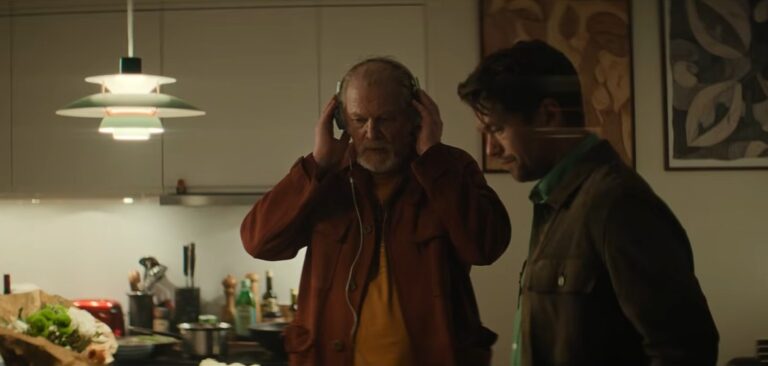
At first, Andrew Patterson’s neo-Western feels almost gentle. You have Matthew McConaughey wandering through rural Oklahoma, bluegrass drifting through the soundtrack, bees humming around wooden hives, and a community held together by one strange, warm-hearted man. Amziah King is a beekeeper, musician, mentor, and unofficial glue holding a collection of damaged people together.
Then everything goes sideways.
The honey business becomes the target of a much bigger criminal operation, Amziah disappears from the center of the story, and Kateri is suddenly left to deal with the mess. What follows is violent, paranoid, and surprisingly ruthless. The movie essentially swaps its folksy character-study skin for a crime thriller.
And honestly? That tonal shift is both the movie’s biggest strength and its biggest weakness. I loved how aggressively Patterson changes the rules, but I can also understand why some viewers felt like they had been dropped into an entirely different movie.
The question that matters most by the end is simple: what happens to Amziah’s honey business?
Why the Honey Business Matters So Much
The honey operation is never just background decoration.
Amziah’s apiary represents everything he has built around himself. His business provides work, creates routine, keeps people connected, and gives his community something tangible to protect. The bees themselves become a reflection of the people around him: different roles, constant labor, and a fragile system that only works when everyone contributes.

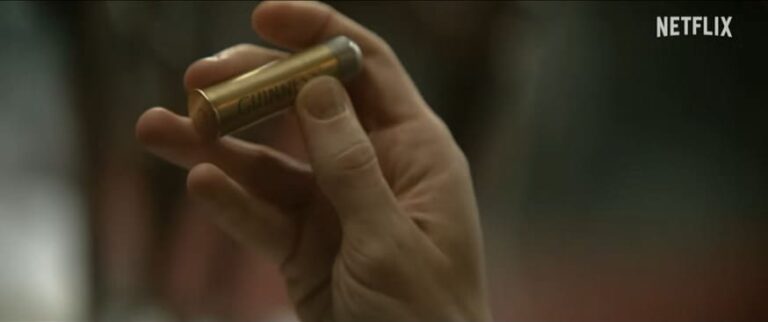
Early in the story, the police ask Amziah for help investigating stolen honey worth roughly $250,000. The authorities need his specialized knowledge because local honey producers secretly mark the interiors of their industrial barrels to identify stolen product.
That sequence does something important for the plot. It establishes that honey theft isn’t some harmless rural crime. There is serious money involved.
Amziah understands the industry. He knows how the barrels are processed, how the bees are handled, and how local producers protect their property. He also understands something the police initially don’t: the honey business is vulnerable because its entire supply chain depends on physical resources that can simply disappear.
Then his own operation gets hit.
Kateri Is Forced to Take Over
The biggest turning point comes when Amziah is removed from the story and Kateri is left behind.
Kateri has already returned to the community carrying plenty of emotional baggage. Her relationship with Amziah gives her a sense of belonging again, but she initially doesn’t look like someone prepared to inherit his responsibilities.
Suddenly, she has no choice.
The hives disappear. The business loses its primary source of honey. The processing operation eventually runs out of product, leaving the people who depend on Amziah’s business facing a very real financial crisis.
This is where the movie’s earlier bee imagery starts paying off.
Amziah previously explains the importance of the queen bee. The queen isn’t literally doing all the work, but her presence holds the colony together. Remove her and the structure changes dramatically.
Kateri eventually becomes the human equivalent of that missing queen.
Not because she becomes a carbon copy of Amziah. She doesn’t.
In fact, one of the more interesting parts of the ending is that Kateri leads in a completely different way. Amziah built relationships through warmth, music, patience, and generosity. Kateri is pushed into leadership through survival.
She becomes protective.
And increasingly dangerous.
Who Stole the Hives?
Kateri’s investigation eventually leads her far beyond the simple theft she initially expects.
She starts connecting the missing hives to other incidents in the regional honey industry. A distributor points her toward an independent beekeeper who unknowingly acquired some of Amziah’s stolen colonies.
That discovery opens the door to the larger conspiracy.
With help from people such as Oat, Pirate, and Remmick, Kateri begins piecing together the operation behind the thefts. The person directly responsible is Wenyon Amos Stone, a beekeeper operating on behalf of a much more powerful figure.
That figure is Dob McCoy, played by Kurt Russell.
And this is where the movie’s conflict stops being about stolen bees.
Dob represents the kind of power that doesn’t need to steal everything personally. He can use other people, pressure competitors, manipulate local systems, and let smaller operators do the dirty work.
The honey industry becomes another version of an old Western conflict: independent people trying to hold onto what they own while a richer and more powerful force tries to swallow the entire territory.
What Happens to Wenyon?
Kateri’s response is not exactly what you’d expect from a conventional protagonist.
She tracks Wenyon down and confronts him at his remote honey-processing facility. The encounter becomes one of the film’s darkest sequences.
Wenyon ends up trapped inside the overheated processing room.
The conditions become unbearable, and he dies from the extreme heat.

There is no clean heroic victory here. Kateri isn’t taking down a villain in a satisfying courtroom showdown. She is participating directly in the violence that has infected the entire conflict.
That’s one of the reasons the ending works for me.
Kateri doesn’t defeat the system without becoming morally compromised by it.
She gets results, but those results come at a cost.
The River Heist Brings the Hives Home
After Wenyon is dealt with, Kateri and her allies still have one enormous problem.
They need to get Amziah’s stolen colonies back.
The solution is completely bonkers in the best possible way.
The group organizes a nighttime operation to infiltrate the property where the stolen hives are being held. Instead of simply driving them away in a truck, they use makeshift wooden rafts and move the massive collection of hives down the river toward their waiting getaway vehicle.
It is an absurdly tense sequence because the movie has transformed something as peaceful as beekeeping into the logistics of a military extraction.
And yet it fits.
By this point, the bees have become the physical symbol of everything Kateri is fighting for.
She isn’t stealing somebody else’s livelihood.
She’s taking her community’s livelihood back.
Does the Honey Business Survive?
Yes.
That’s the most straightforward answer to the ending.
The honey business survives because Kateri and her crew recover the stolen hives.
The bees are returned, the core means of production is restored, and the operation can begin functioning again. The business isn’t wiped out by Dob’s attempt to control the local market.
But calling it a happy ending would be misleading.
The business survives in a completely different emotional landscape.
Amziah’s operation has been damaged, people have died, and Kateri has crossed lines she can’t simply uncross. The community has learned exactly how far its enemies are willing to go.
The honey business is still alive, but innocence is gone.
What Happens to the Honey Operation?
| Element | Ending |
|---|---|
| Stolen Hives | Recovered by Kateri and her allies |
| Honey Production | Resumes after the crisis |
| Kateri | Takes on a central leadership role |
| Wenyon | Dies during Kateri’s confrontation |
| Dob McCoy | His operation is forced to retreat |
| Community | Remains united despite the violence |
Kateri Becomes the New “Queen Bee”
This is probably the most important piece of the ending.
Remember Amziah’s lesson about the queen?
It wasn’t random dialogue.
The film spends its first half teaching us how a hive works so that the audience can understand the human story later. When Amziah is gone, somebody has to keep the colony functioning.
That person becomes Kateri.
Calling her the “new queen” doesn’t mean she replaces Amziah as a personality. She doesn’t suddenly become his cheerful, eccentric mirror image.
She becomes the person willing to stand between the community and anyone trying to destroy it.
That’s a much harder kind of leadership.
Kateri starts the story uncertain, emotionally damaged, and dependent on Amziah’s presence. By the final act, she is making decisions for herself and for everyone around her. She takes risks that Amziah himself might never have taken.
There is something satisfying about that transformation.
There is also something deeply uncomfortable about it.
Because the movie is basically asking whether Kateri had to become more violent to become more capable.
Why The Rivals of Amziah King Changes From Bluegrass Musical to Crime Thriller Explained
What About Dob McCoy?
Dob isn’t given the kind of definitive downfall that would make the ending feel completely clean.
And I’m glad.
A lesser movie would have turned him into a cartoon villain, destroyed his operation, and wrapped everything up with a triumphant final shot of the honey business running at full speed.
The Rivals of Amziah King doesn’t quite do that.
Dob’s influence is damaged, and his attempt to crush the independent operation fails. But the larger forces he represents haven’t magically disappeared.
That’s the point.
Corporate greed doesn’t die because one criminal operation gets exposed. Local monopolies, political influence, intimidation, and economic pressure can survive the people who temporarily control them.
Kateri wins this fight.
She doesn’t magically fix the entire system.
The Real Meaning of the Ending
For me, the strongest interpretation of the ending is that the honey business survives because the community finally understands that the business itself isn’t what makes it valuable.
The hives matter.
The honey matters.
The money obviously matters.
But the real asset is the network of people around them.
Amziah’s greatest creation wasn’t a successful apiary. It was a community that could keep functioning after he was gone.
That’s why the final restoration of the honey operation carries more emotional weight than its financial implications.
The bees come home, but so does the idea behind Amziah’s entire philosophy: people survive when they protect one another.
And that’s where I think the film earns its strange, messy ending.
I wasn’t completely sold on the huge tonal pivot. The transition from soulful Oklahoma character drama to violent crime thriller is so abrupt that it can feel like Patterson is deliberately kicking the audience out of one movie and into another.
But the symbolism holds.
The stolen hives aren’t just stolen property. They’re the community’s future.
Wenyon isn’t just another criminal. He’s part of a system that treats independent livelihoods as disposable.
Dob isn’t simply the final boss. He’s the embodiment of what happens when economic power becomes more important than the people living around it.
And Kateri isn’t merely the person who gets the bees back.
She becomes the person who keeps the colony alive.
The honey business survives at the end of The Rivals of Amziah King. The hives are recovered, production can continue, and Kateri steps into the role Amziah left behind.
But the movie deliberately refuses to make that victory feel clean.
There is blood mixed into the honey now.
Kateri has learned that protecting a community sometimes means making choices that haunt you afterward. The business continues, but it does so with a new leader and a much darker understanding of what survival can require.
That, more than any final explanation of the stolen honey, is what the ending is really about.
The hive survives. The queen changes. And the people inside it have to live with everything they did to keep it alive.